
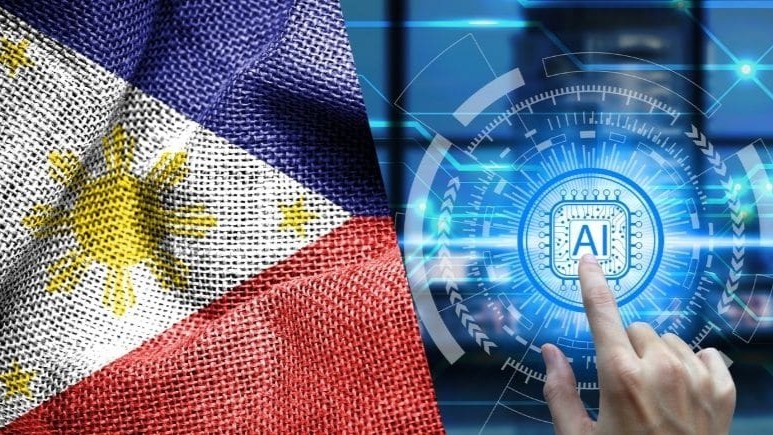
Overview of AI and IoT Development in the Philippines
The landscape of technological innovation in the Philippines is rapidly evolving, particularly in the realms of artificial intelligence (AI) and the Internet of Things (IoT). As the Philippine government increasingly recognizes the potential of these transformative technologies, it has instituted various initiatives and policies to bolster their development and integration across multiple sectors. This strategic focus reflects a growing understanding of how AI and IoT can enhance productivity and drive economic growth.
Recent statistics indicate a significant uptick in technology adoption rates among Filipino businesses and consumers. For instance, a survey conducted by the Department of Information and Communications Technology (DICT) revealed that approximately 60% of enterprises in the country have begun integrating AI-driven solutions into their operational processes. Additionally, investment in tech startups has surged, with venture capital funding for AI and IoT innovations reaching an estimated $150 million in recent years. Such investment is pivotal as it underpins the growth of a vibrant ecosystem that nurtures homegrown talent and innovations.
The Philippine government has also laid down robust infrastructure plans aimed at fostering an environment conducive to technological advancement. The creation of technology hubs, research and development centers, and partnerships with international organizations are all steps taken to support the integration of AI and IoT. These measures not only aim to improve connectivity nationwide but also focus on upskilling the workforce, thereby ensuring that Filipinos are equipped with the necessary skills to thrive in an AI-enhanced job market.
Collectively, these efforts highlight the Philippines’ commitment to embracing digital transformation through the strategic deployment of AI and IoT technologies. As the nation continues on this path, the potential for reshaping various sectors—such as agriculture, healthcare, and education—remains immense, promising significant advancements and improved quality of life for its citizens.
Role of DOST and DICT in Promoting AI Research and Development
The Department of Science and Technology (DOST) and the Department of Information and Communications Technology (DICT) are pivotal in fostering artificial intelligence (AI) research and development in the Philippines. These governmental agencies have recognized the transformative potential of AI and its integration with emerging technologies like the Internet of Things (IoT). Their joint efforts aim to create a supportive ecosystem for innovation and technology advancement.
DOST plays a crucial role by funding various AI-centric projects and initiatives through several programs. One notable program is the Philippine Council for Industry, Energy, and Emerging Technology Research and Development (PCIEERD), which provides financial support for research proposals that harness AI. Such funding opportunities are designed to encourage local researchers and startups to develop technologies that utilize AI in addressing societal needs.
On the other hand, DICT is essential in formulating policies and strategies that facilitate the growth of AI technologies. It also promotes digital literacy and encourages public and private partnerships that advance AI research. By establishing collaborations with local universities, research institutions, and private industry players, DICT has created an environment ripe for innovation and development.
The success of initiatives led by DOST and DICT can be observed through various collaborative projects that leverage AI for practical applications. For instance, some partnerships have resulted in the development of smart city solutions that improve urban planning and resource management through AI analytics. Furthermore, successful AI research projects funded by DOST have paved the way for the commercialization of AI technologies in agriculture, healthcare, and disaster management.
Through funding, policies, and collaboration, the DOST and DICT are fostering a robust landscape for AI research and development, setting the stage for the Philippines to emerge as a significant player in the global AI arena.
Opportunities for Researchers and Innovators
The Philippine government, through the Department of Science and Technology (DOST), is making substantial strides to stimulate innovation in the fields of Artificial Intelligence (AI) and the Internet of Things (IoT). This initiative not only promotes the integration of AI into various sectors, but also opens up numerous avenues for researchers and innovators eager to contribute to this burgeoning landscape.
One of the foremost opportunities available to innovative minds is access to a variety of grants. These financial resources are specifically designed to support research projects aimed at developing AI technologies and integrating these with IoT systems. By securing these grants, researchers can fund their studies, expand their teams, and explore novel approaches without the burden of financial constraints.
In addition to grants, the DOST regularly organizes competitions that challenge researchers and innovators to present their cutting-edge ideas. These competitions not only foster a spirit of creativity and collaboration, but also provide participants with a platform to showcase their talents. Winners of these competitions often receive funding, mentorship, and even partnership opportunities with established tech firms.
Collaboration is another key component of the government’s strategy in promoting AI and IoT innovations. The DOST promotes collaborative projects between academic institutions and industry stakeholders, facilitating an exchange of expertise and resources. Researchers can engage in these partnerships, gaining hands-on experience and insights that are invaluable to their growth and development in the tech ecosystem.
Ultimately, participating in government-led initiatives allows researchers and innovators to stay at the forefront of AI and IoT advancements. The potential benefits of being involved in such programs include professional development, networking opportunities, and the ability to contribute to significant technological advancements that can address local and global challenges.
Future Implications of AI and IoT in Various Sectors
The integration of artificial intelligence (AI) and the Internet of Things (IoT) has significant potential to revolutionize various sectors in the Philippines. As the government pushes for the development of AI technologies, it aims to harness these innovations to bolster economic growth and societal benefits. In healthcare, for instance, AI-driven analytics can enhance diagnostics and patient care, while IoT devices can facilitate remote health monitoring, ultimately improving health outcomes and reducing costs.
In the agricultural sector, the adoption of AI and IoT can lead to more efficient farming practices. Precision agriculture, supported by IoT sensors that provide real-time data on soil conditions and crop health, allows farmers to optimize resource use, thereby increasing yield and productivity. This technological integration can be pivotal in ensuring food security in the Philippines, especially as climate change poses new challenges.
Education is another sector poised to benefit tremendously from AI and IoT. The implementation of smart learning environments equipped with AI platforms can personalize educational experiences, catering to individual student needs. Additionally, IoT devices can facilitate enhanced communication between educators and students, fostering a new level of collaboration and engagement in the learning process.
Smart cities are emerging as a significant focus of the Philippine government, with AI and IoT capabilities aimed at improving urban infrastructure, traffic management, and public safety. These technologies can streamline city services, reduce congestion, and enhance the overall quality of life for residents. However, challenges accompany such advancements; issues concerning data privacy, cybersecurity, and the digital divide require careful consideration and strategic planning.
Overall, the strategic government push for AI development aims to establish the Philippines as a leader in the technology sphere within Asia. By proactively addressing challenges and leveraging the benefits of AI and IoT, the country envisions a path to sustainable economic growth and enhanced societal well-being.