
The movement towards digitalization in the Philippines represents a transformative period for the nation, with significant efforts from both the government and the private sector to adopt advanced technologies. This shift emphasizes the importance of technological integration across a multitude of industries, including education, healthcare, and transportation, to enhance operational efficiency and global competitiveness.
One of the key driving forces behind this digitalization initiative is the Philippine government’s “Digital Transformation Strategy” which aims to harness technology for better governance and improved public service delivery. This strategy encourages government agencies to adopt e-governance frameworks, which facilitate seamless online transactions and improve accessibility to government services for all citizens. Initiatives such as the establishment of the National Broadband Plan aim to enhance internet connectivity across the archipelago, ensuring that even remote areas are not left behind in the digital revolution.
On the private sector side, numerous enterprises are investing heavily in digital tools and platforms to optimize their operations. For instance, local startups are utilizing innovative technologies, such as artificial intelligence and big data analytics, to enhance their service delivery and expand their reach. Collaborations between multinational corporations and local businesses have also emerged, advancing the development of smart technologies that can foster sustainable urban living, particularly in developing urban areas.
Furthermore, various government policies have been enacted to promote the use of information and communications technology (ICT) across all sectors. Legislation such as the “Philippine Innovation Act” underlines the government’s commitment to promoting research and development in technology, thereby encouraging growth in the local startup ecosystem and enhancing the overall digitization landscape.
Envisioning AI-Cities: The Future of Philippine Urban Development
The concept of AI-cities is rapidly gaining traction among city planners and mayors in the Philippines as they seek to create urban environments that are not only more efficient but also adaptable to the needs of their residents. By integrating artificial intelligence into various aspects of urban life, these professionals are reimagining the potential for urban development to foster a smarter, more sustainable future.
One of the most promising aspects of AI-cities is the capacity for improved urban planning. Through the use of AI analytics, city planners can harness vast amounts of data to make more informed decisions regarding infrastructure, zoning, and resource allocation. This data-driven approach enables cities to anticipate the demands of growing populations, ultimately allowing for enhanced living conditions. For instance, cities can utilize predictive analytics to better manage energy consumption and enhance waste management systems.
The integration of AI also extends into transportation. By implementing smart traffic management systems, AI can optimize traffic flow, significantly reducing congestion and, consequently, carbon emissions. Cities such as Singapore have pioneered this technology with real-time traffic monitoring and adaptive signal control, suggesting that the Philippines could benefit from similar initiatives. Furthermore, ride-sharing applications powered by AI offer efficient alternatives to traditional public transport, prompting a shift towards a more responsive mobility framework.
Public services are another vital area that stands to benefit from the implementation of AI technologies. Chatbots and automated services can enhance government interactions with constituents, providing timely information and streamlining processes. As cities strive to improve citizen engagement, AI creates avenues for transparency and accessibility, bringing the administration closer to the people it serves. With several Philippine cities beginning to pilot these technologies, the vision for AI-cities is not just a distant aspiration but a tangible trajectory towards transforming urban landscapes.
The Rise of Smart Cities: Implementing Technology for Better Living
In the quest for improved urban living, the Philippines is witnessing the emergence of smart cities—urban areas that leverage technology to enhance the quality of life for their residents. A smart city utilizes advanced infrastructure, connectivity, and data analytics to create a more responsive and efficient environment. One of the core characteristics of these cities is the deployment of smart infrastructure, which incorporates sensors and IoT (Internet of Things) devices that gather real-time data. This technology facilitates better decision-making and resource management across various sectors, including transportation, energy, and waste management.
Connectivity is another vital element that underpins the transformation of traditional cities into smart cities. High-speed internet and widespread wireless networks enable residents and local governments to interact more effectively. For instance, smart traffic management systems can reduce congestion by analyzing real-time data to optimize traffic flow, thus minimizing travel time and emissions. Additionally, the implementation of smart waste disposal systems allows for efficient collection schedules based on actual usage data, resulting in more sustainable urban environments.
Several cities in the Philippines have begun adopting these innovative strategies. For example, in Cebu City, local authorities are using a traffic management application that monitors and predicts traffic conditions, assisting commuters to make informed travel choices. Similarly, Makati City has integrated smart lighting systems that adjust brightness based on pedestrian motion, thereby improving both energy conservation and public safety.
Furthermore, data analytics plays a crucial role in understanding urban issues and fostering community engagement. By utilizing big data, cities can evaluate programs’ effectiveness and enhance citizen services, ensuring that urban development is aligned with residents’ needs. As more Philippine cities embark on this journey, the benefits of smart city initiatives continue to unfold, paving the way for a more sustainable and technologically advanced future.
Electric Vehicles and the Future of Sustainable Business Practices
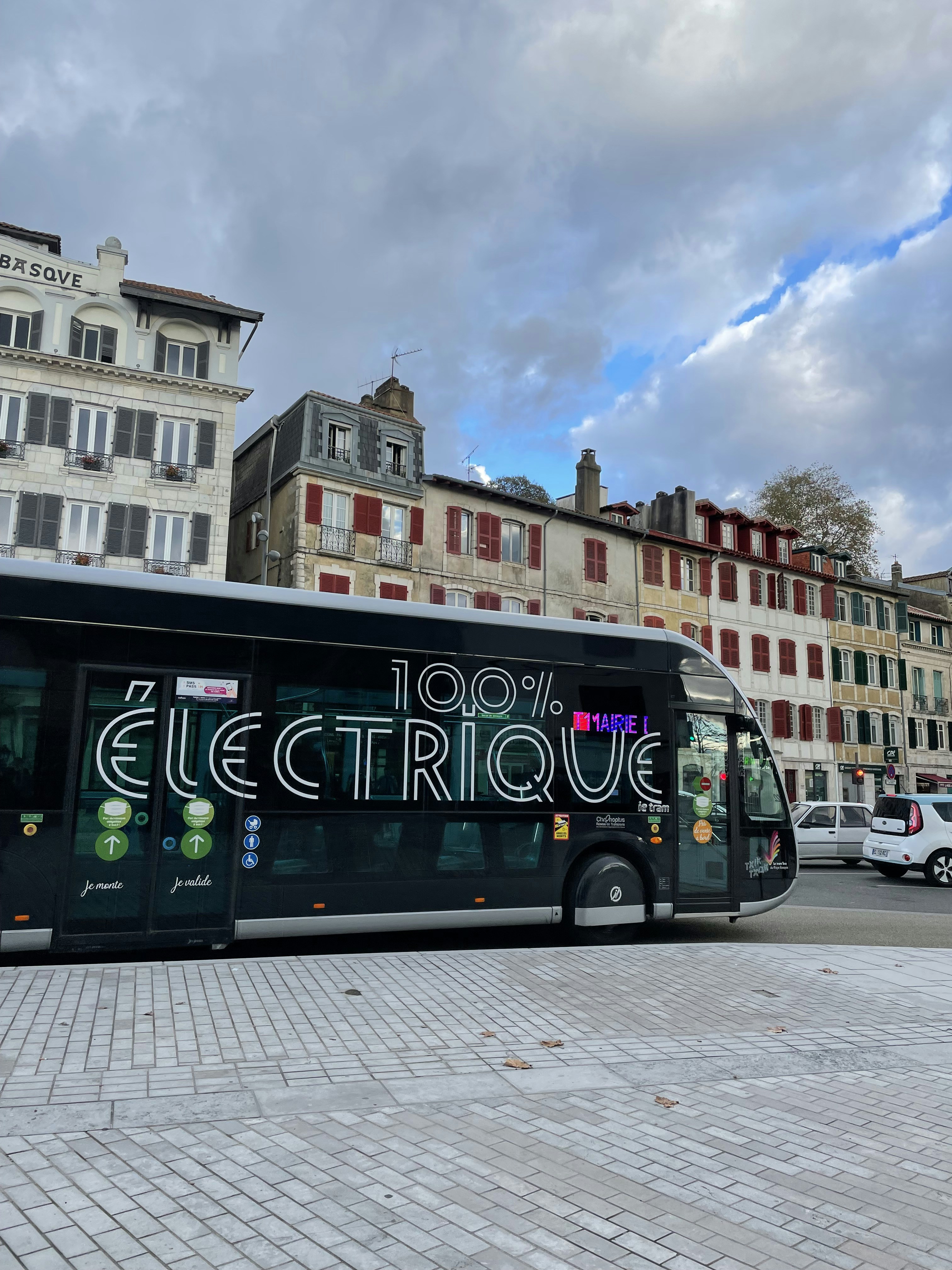
The electric vehicles (EV) market in the Philippines is witnessing a significant transformation, driven by various factors that align with the broader movement towards digitalization and sustainability. As the nation seeks to modernize its cities and infrastructure, the integration of electric vehicles represents a pivotal element that complements these advancements. Government initiatives, particularly those aimed at reducing carbon emissions and promoting clean energy, play a crucial role in this transition. Policies that incentivize the adoption of EVs and investments in renewable energy sources are fundamental in fostering a conducive environment for sustainable business practices.
Environmental concerns are central to the shift towards electric vehicles. As urban areas become more congested and pollution levels rise, the necessity for cleaner transportation alternatives becomes increasingly apparent. Electric vehicles offer a solution that not only reduces greenhouse gas emissions but also lowers noise pollution, contributing to healthier urban living conditions. This societal shift is further strengthened by public awareness campaigns that underscore the importance of sustainability in everyday choices, encouraging consumers to choose EVs over traditional combustion engines.
Technological advancements in battery efficiency and charging infrastructure have significantly influenced the EV market’s growth trajectory. Improved battery technologies have enhanced the range and performance of electric vehicles, addressing one of the major barriers to their widespread adoption. Furthermore, the establishment of EV charging stations across urban centers is essential for promoting the convenience and accessibility of electric vehicles for everyday commuters. As businesses increasingly incorporate sustainable practices, they begin to explore the use of electric fleets for logistics and transportation. This not only meets consumer demand for greener alternatives but also positions companies favorably in a competitive marketplace.
In conclusion, the shift towards electric vehicles in the Philippines presents a unique opportunity for businesses to embrace sustainable practices. As the government supports this initiative through policy and investment, the intersection of technology and environmental awareness further strengthens the case for integrating electric vehicles into the fabric of modern urban life.