ASDS
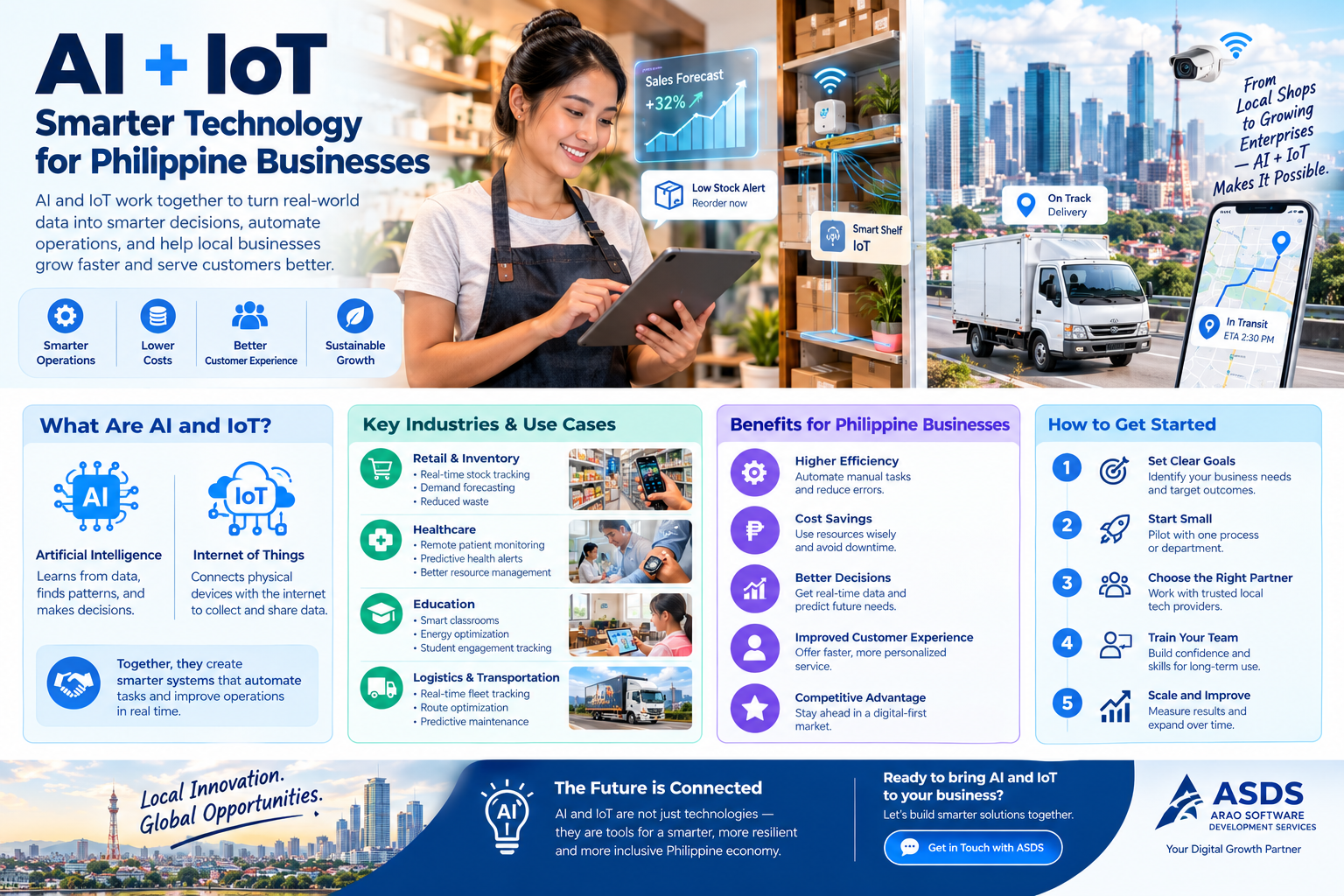
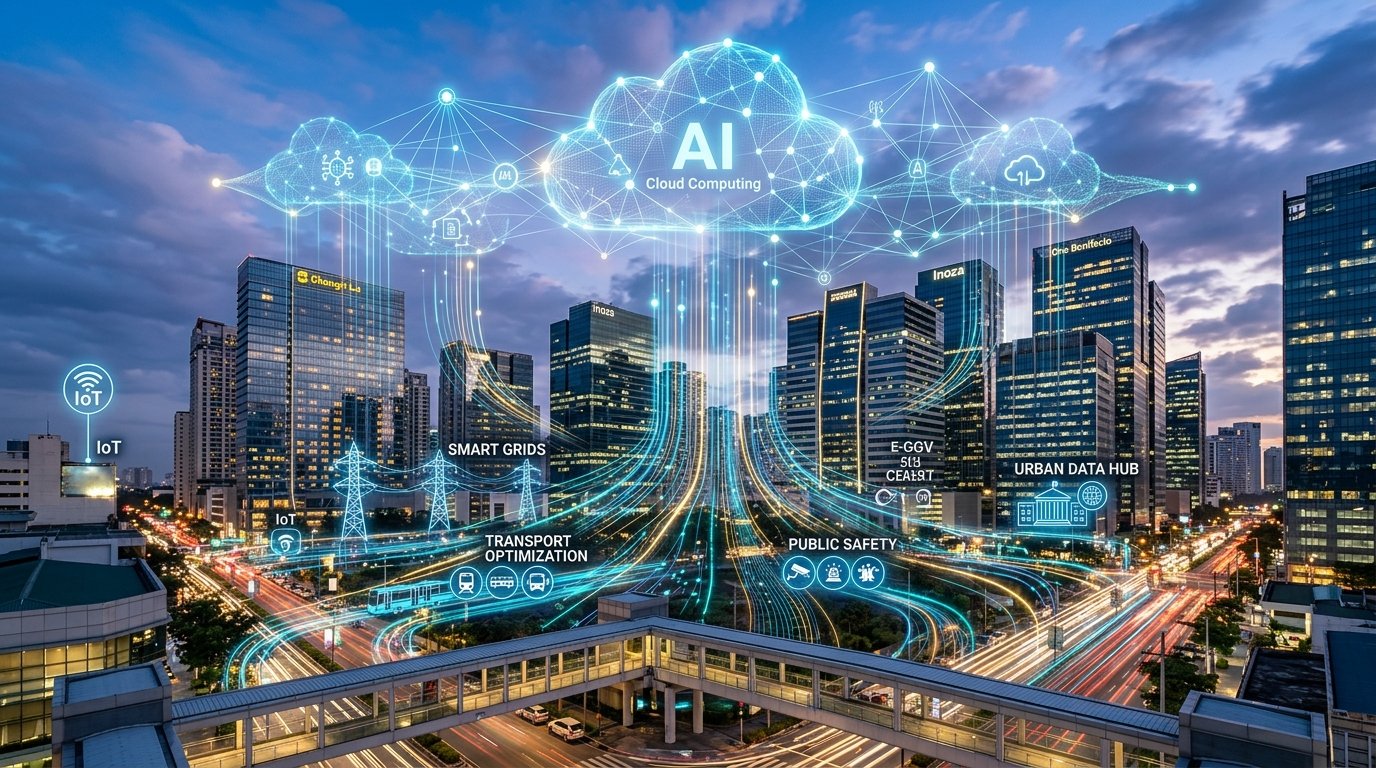
AI and IoT are technologies that combine artificial intelligence algorithms with internet-connected physical devices to automatically collect, process, and act on data, fundamentally changing how businesses operate by replacing manual tasks with intelligent automation. In the Philippine business context, these tools allow SMEs in Metro Manila to manage inventory, predict maintenance needs, and personalize customer interactions without needing large IT teams.
Understanding AI and IoT for Philippine Businesses
AI is a set of technologies that enable computers to learn from data, recognize patterns, and make decisions with minimal human intervention. IoT stands for Internet of Things, which refers to the network of everyday objects embedded with sensors, software, and connectivity that allows them to exchange data over the internet. When combined, AI analyzes the massive streams of data generated by IoT devices to provide actionable insights, automate workflows, and optimize operations in real time.
Defining the Core Technologies for Local Context
Artificial Intelligence mimics human intelligence to perform tasks like image recognition, language translation, and predictive analysis. In the Philippines, where many businesses rely on manual record-keeping or basic spreadsheets, AI offers a way to digitize these processes accurately and at scale. IoT connects physical assets such as refrigerators in retail stores or air conditioners in offices to the digital world, creating a bridge between the physical environment and data-driven management.
For Philippine SMEs, understanding these definitions is crucial because it shifts the focus from building systems to managing ecosystems. Instead of just tracking stock on paper, a business can use IoT sensors to monitor shelf life automatically. Instead of manually answering customer inquiries, an AI system can draft responses based on past interactions while human staff focuses on complex issues.
How These Technologies Transform Industry Sectors
AI and IoT transform industries by moving businesses from reactive to proactive operations, allowing them to anticipate problems before they occur rather than fixing them after they happen. This shift reduces waste, lowers operational costs, and improves customer satisfaction across sectors like retail, healthcare, education, and logistics in the Philippines. The ability to process data instantly means that decision-makers can respond to market changes or supply chain disruptions with greater speed and accuracy.
Revolutionizing Retail and Inventory Management
In the retail sector, AI and IoT solve the persistent challenge of inventory inaccuracies and stockouts by creating a real-time view of product availability across all locations. Traditional methods often rely on periodic manual counts that lead to discrepancies between what is physically in the store and what the system records as sold or available for sale. With IoT-enabled smart shelves or RFID tags, retailers can track item movement automatically, ensuring that popular products are never out of stock while preventing overstocking of slow-moving items.
AI enhances this by analyzing sales trends, weather patterns, and local events to predict future demand with high precision. For example, a clothing store in BGC or Makati can use historical data and current traffic reports to forecast which sizes will be needed next week, allowing them to restock just-in-time. This integration eliminates the need for human guesswork and reduces the financial loss associated with expired goods or unsold inventory.
Optimizing Operations in Healthcare and Education
Healthcare clinics and schools in the Philippines face significant pressure to manage resources efficiently while maintaining high standards of care and education. IoT devices can monitor patient vitals continuously, alerting staff immediately if a reading falls outside safe parameters without requiring constant manual checks by nurses or teachers. In educational settings, smart classrooms equipped with IoT sensors can track energy usage, optimize lighting and temperature, and even monitor student engagement levels to tailor teaching methods accordingly.
AI supports these applications by analyzing patterns in patient data to predict potential health risks before they become emergencies, or by grading assignments and tracking attendance trends to identify students who may need additional support. These technologies free up valuable human resources to focus on direct care and instruction rather than administrative data entry, a common bottleneck for small clinics and private schools in Metro Manila.
Enhancing Customer Experience Through Automation
Customer experience is often defined by how quickly and personally a business can respond to individual needs, a factor that AI and IoT excel at automating at scale. Chatbots powered by natural language processing can handle routine inquiries 24/7, answering questions about hours, menu items, or billing details while collecting data on customer preferences for future interactions. IoT devices in e-commerce stores can track delivery status and temperature for perishable goods, providing transparency to customers who value timely updates and product integrity.
For Philippine businesses that compete with global giants, this level of responsiveness is no longer a luxury but a necessity for retaining clients. Automated systems ensure consistency in service delivery, reducing the variability caused by human error or fatigue during peak hours.
Implementation Strategies for Philippine SMEs
Implementing AI and IoT solutions in the Philippines requires a structured approach that prioritizes clear goals, realistic timelines, and phased deployment to avoid overwhelming existing operations. Many businesses hesitate due to concerns about cost and complexity, but successful implementation starts with identifying specific pain points where automation provides the most immediate value. A common mistake is attempting to digitize everything at once; instead, focusing on high-impact areas like inventory or customer support yields faster results and builds confidence in the technology.
Step-by-Step Guide to Getting Started
- Identify the specific problem you want to solve, such as losing money due to stockouts or staff burnout from manual data entry.
- Research which technologies can address that specific problem without requiring a complete overhaul of your current infrastructure.
- Define clear metrics for success, such as reducing inventory errors by 50% or cutting response time to customer queries to under two minutes.
- Start with a pilot project involving a small team or department to test the solution and gather real-world data before scaling up.
- Train your staff on how to use the new tools and interpret the data they generate, ensuring that adoption remains high throughout the process.
Checklist for Successful Deployment
- Assess current operational bottlenecks and prioritize them based on cost impact and frequency of occurrence.
- Ensure internet connectivity is stable in all areas where IoT devices will be deployed, as unreliable connections can render sensors useless.
- Choose vendors or development partners who understand local business practices and can provide localized support.
- Create a detailed scope of work that includes hardware requirements, software integration, and data security measures.
- Allocate time for staff training and establish feedback loops to make adjustments after the initial launch.
The Future of Automated Business Systems
The future of business in the Philippines lies in organizations that seamlessly integrate digital intelligence into their daily workflows, creating environments where machines handle routine tasks while humans focus on strategy and creativity. As AI models become more sophisticated and IoT devices become cheaper and more reliable, the gap between small local businesses and large multinational corporations will narrow significantly. Companies that adopt these technologies early will gain a competitive advantage through better efficiency, data-driven insights, and superior customer experiences.
Long-Term Trends in Philippine Business Technology
We are moving toward an era where business systems are not just software on a screen but active partners that learn from every interaction to improve performance automatically. Local AI models running on private servers will soon be able to process sensitive client data securely while offering personalized recommendations tailored to local cultural nuances and market conditions. The convergence of these technologies will likely lead to new business models, such as subscription-based maintenance services for equipment or dynamic pricing models that adjust in real time based on supply and demand across the archipelago.
How ASDS can help
ASDS (Arao Software Development Services) specializes in building custom business systems, mobile apps, websites, dashboards, and AI automation specifically designed to meet the unique needs of Philippine businesses. Our team can help you design a plan with clear scope, timeline, and price tailored to your specific operational goals, ensuring that technology integrates smoothly into your existing workflow without disrupting daily activities. To discuss how we can automate your processes or build a system that fits your business model, we invite you to book a free discovery call where we will explore your requirements and provide a detailed proposal.
Key takeaways
- AI and IoT combine intelligent algorithms with connected devices to automate data collection and decision-making.
- These technologies enable Philippine SMEs to manage inventory, optimize resources, and enhance customer service without large IT teams.
- Successful implementation requires clear problem definition, phased deployment, and staff training.
- ASDS offers custom development services including AI automation, dashboards, and mobile apps for local businesses.
- The future belongs to businesses that proactively adopt digital intelligence to drive efficiency and growth.