ASDS
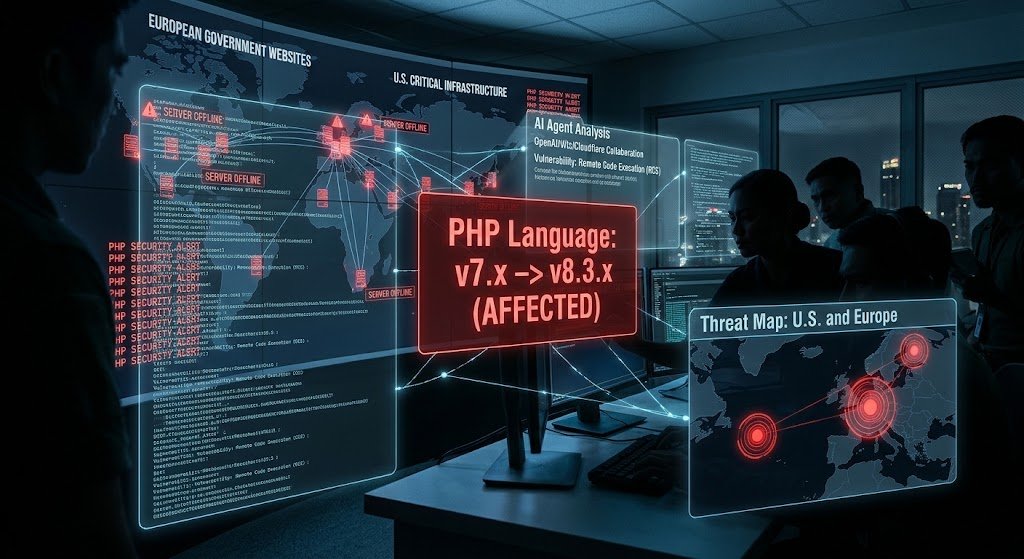
All Philippine businesses and organizations using PHP for their systems are advised to prepare immediately for critical security updates addressing two high-severity vulnerabilities that could allow direct access to server files or databases, with the National Security Agency (NSA) recommending that if an immediate patch is not yet feasible, operations be taken offline until the threat is fully mitigated. PHP stands for "Hypertext Preprocessor," a widely used open-source scripting language that powers countless web applications globally and remains a staple for custom business systems in Metro Manila.
Understanding the Current Security Advisory
The NSA has issued an urgent advisory warning organizations about specific vulnerabilities within the PHP environment, which are designed to provide attackers with direct paths into server file systems or database structures without requiring complex exploitation chains. These flaws represent a critical gap because they bypass standard application layers, allowing unauthorized access to sensitive data or the ability to execute arbitrary code on the host machine if an attacker can inject malicious input into your web forms or scripts.
The advisory does not claim that every PHP system is currently compromised but emphasizes that the mere presence of these unpatched vulnerabilities creates a significant risk for any organization hosting public-facing applications, internal dashboards, or client portals. For businesses in the Philippines ranging from small clinics to government teams, this means that legacy systems built with older PHP versions may be sitting on an open door if they have not been updated according to the latest security recommendations.
Why PHP Remains Critical for Philippine Businesses
PHP remains one of the most popular scripting languages for web development because it allows developers to build custom business systems, inventory tools, and online stores quickly without requiring expensive enterprise software licenses. Many organizations in Quezon City and across Metro Manila have chosen PHP for its cost-effectiveness and ability to integrate with local payment gateways and delivery platforms, making it the backbone of many SMEs' digital infrastructure.
The language's flexibility allows a single developer to create everything from a simple website to a complex CRM or clinic management system, which explains why so many Philippine businesses rely on PHP for their core operations. However, this widespread adoption also means that a vulnerability in PHP can affect a large number of organizations simultaneously, creating a ripple effect of potential security incidents if not addressed promptly.
Immediate Steps for Organizations to Mitigate Risk
If an organization cannot apply the official update immediately due to server constraints or third-party dependencies, the NSA advises taking the system offline until a full mitigation strategy is in place to prevent exploitation during the vulnerable window. This temporary isolation stops malicious actors from attempting to exploit the known flaws while developers work around the issue or wait for the vendor to release a patch.
For businesses that cannot go fully offline, there are specific technical controls that can be implemented to reduce the attack surface, such as disabling input fields associated with the vulnerable functions and restricting access to sensitive directories through firewall rules. These measures act as a temporary shield, buying time to plan a permanent solution without completely halting business operations indefinitely.
Checklist for Immediate Risk Reduction
- Identify all PHP versions currently running in your production environment.
- Review the specific vulnerabilities mentioned in the latest NSA advisory.
- Disable any input fields or endpoints known to be affected by the flaws.
- Restrict file system access to only necessary directories via server configuration.
- Enable strict logging to monitor for suspicious activity related to these vulnerabilities.
Long-Term Strategies for Secure Web Development
Once the immediate risk is addressed, organizations should focus on long-term strategies that involve regular software updates and adopting secure coding practices from the start of any new project. This includes ensuring that all PHP frameworks and libraries used are up to date and that security patches are applied as soon as they become available from the maintainers.
Philippine businesses often face unique challenges in updating legacy systems due to budget constraints or a lack of dedicated IT staff, but investing in regular security audits can prevent costly data breaches and downtime in the future. By treating security as a continuous process rather than a one-time event, organizations can build more resilient digital ecosystems that protect their reputation and customer trust.
How ASDS Can Help
ASDS (Arao Software Development Services) specializes in building custom business systems, mobile apps, and dashboards for Philippine clients and understands the importance of maintaining secure infrastructure without disrupting daily operations. Our approach to software development includes a clear scope definition and timeline planning phase where we assess your current architecture against emerging security threats before writing any code, ensuring that new features are built with modern security standards in mind.
If you are managing a PHP-based system that requires an update or needs a complete rebuild to ensure it meets the latest security advisories, we can assist by designing a secure plan tailored to your specific business needs and showing you working progress along the way. To discuss how we can help secure your systems and whether you need a full rebuild or targeted fixes, please book a free discovery call with our team to explore your options without any commitment or fixed pricing.
Key Takeaways
- PHP is a widely used scripting language for web applications that powers many custom business systems in the Philippines.
- The NSA has issued an advisory regarding critical vulnerabilities that could allow direct access to server files or databases.
- Organizations unable to patch immediately are advised to take affected systems offline until the risk is mitigated.
- Immediate mitigation steps include disabling vulnerable inputs and restricting file system access through firewall rules.
- Long-term security requires regular updates, secure coding practices, and continuous monitoring of software dependencies.
- Philippine businesses should prioritize security reviews to protect sensitive data and maintain operational continuity.