ASDS
ASDS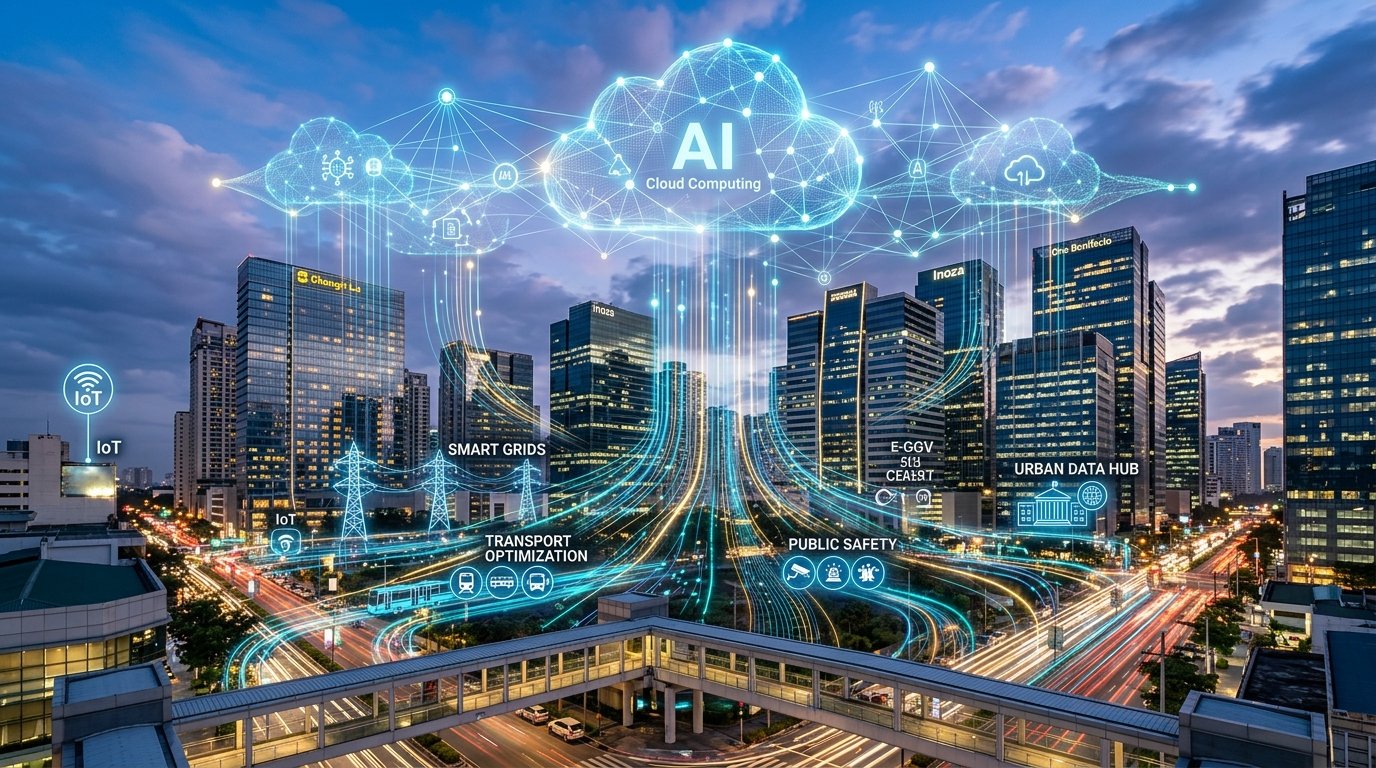
Artificial Intelligence
Artificial intelligence (AI) refers to the ability of computer systems to perform tasks that typically require human intelligence, such as learning, problem-solving, and decision-making. This article explores the evolution of AI, its impact on daily life, and its potential benefits for businesses and the Philippines.
The Roots of Artificial Intelligence
AI’s origins can be traced back to the mid-20th century, driven by theoretical concepts and early computing power. Initially, the field was largely focused on symbolic AI, which involved representing knowledge and reasoning using symbols and logical rules. Early attempts, like the Logic Theorist (1956) and the General Problem Solver, demonstrated the possibility of computers solving puzzles and proving theorems, but they were limited by the available technology and the complexity of real-world problems. The Dartmouth Workshop in 1956, considered the birthplace of AI, brought together researchers who envisioned machines that could think like humans. This period, often referred to as “symbolic AI,” relied heavily on hand-coded rules and expert systems. However, these systems struggled with ambiguity and the need for adaptability – key characteristics of human intelligence. The limitations of this approach led to a period of reduced funding and interest, known as the “AI winter,” in the late 1970s and early 1980s.
The Rise of Machine Learning
The late 1980s and 1990s saw a resurgence of AI, fueled by advancements in computing power and the development of machine learning (ML). Instead of explicitly programming rules, ML algorithms allow computers to learn from data. There are several types of machine learning:
- Supervised Learning: The algorithm learns from labeled data – data where the correct output is already known. For example, training an algorithm to identify images of cats by showing it thousands of images labeled as “cat” or “not cat.”
- Unsupervised Learning: The algorithm discovers patterns in unlabeled data. This is useful for tasks like customer segmentation or anomaly detection.
- Reinforcement Learning: The algorithm learns by trial and error, receiving rewards for correct actions and penalties for incorrect ones. This is often used in robotics and game playing.
The availability of larger datasets and more powerful algorithms – particularly deep learning – has dramatically accelerated progress in machine learning since the early 2000s.
AI in Everyday Life – 2026 and Beyond
By 2026, AI has become deeply integrated into many aspects of daily life, impacting how we work, communicate, and consume. Here’s a look at some key areas:
- Smart Assistants: Voice assistants like Siri, Alexa, and Google Assistant are ubiquitous, managing schedules, controlling smart home devices, and providing information on demand. Expect even greater personalization and contextual awareness.
- Transportation: Self-driving cars and trucks are becoming increasingly common, though full autonomy is still under development. AI is also used to optimize traffic flow and manage public transportation systems.
- Healthcare: AI is assisting doctors with diagnosis, developing personalized treatment plans, and accelerating drug discovery. Image recognition algorithms can analyze medical scans with greater speed and accuracy than humans.
- Entertainment: AI is used to recommend movies, music, and TV shows, generate creative content (like music and art), and create more immersive gaming experiences.
- Retail: AI powers personalized shopping recommendations, chatbots for customer service, and automated inventory management systems.
AI’s Impact on Philippine Businesses
The adoption of AI in the Philippines is still in its early stages, but it’s poised to significantly impact SMEs and larger businesses across various sectors. Many businesses are starting to explore AI applications for tasks such as:
- Customer Relationship Management (CRM): AI-powered CRM systems can analyze customer data to identify trends, personalize marketing campaigns, and improve customer service.
- Inventory Management: AI can optimize inventory levels, predict demand, and reduce waste, particularly beneficial for retailers and businesses with complex supply chains.
- Financial Management: AI can automate accounting tasks, detect fraud, and improve financial forecasting.
- Operational Efficiency: AI can streamline workflows, automate repetitive tasks, and improve overall operational efficiency. For example, a clinic could use AI to schedule appointments and manage patient records. A school could use it to track student attendance and grades.
A critical factor for successful AI adoption in the Philippines is access to reliable data and skilled personnel. Many SMEs may initially focus on simpler AI applications, such as chatbots for customer support or automated data entry.
Checklist for AI Implementation in SMEs
- Identify Pain Points: Determine which business processes are inefficient or costly.
- Assess Data Availability: Ensure you have sufficient data to train AI algorithms.
- Start Small: Begin with a pilot project to test the waters.
- Focus on ROI: Prioritize AI applications that offer the greatest return on investment.
- Invest in Training: Provide training to employees on how to use and manage AI systems.
AI and the Philippines – A National Perspective
Beyond individual businesses, AI has the potential to contribute to the Philippines’ economic development. The government is actively exploring ways to leverage AI to improve public services, promote innovation, and drive economic growth. Areas of focus include:
- Smart Cities: Utilizing AI to optimize traffic flow, manage energy consumption, and improve public safety.
- Agriculture: Applying AI to precision farming, crop monitoring, and yield prediction.
- Healthcare: Expanding access to healthcare services through telehealth and AI-powered diagnostics.
- Education: Personalizing learning experiences and improving educational outcomes.
The Philippines’ growing digital literacy and increasing internet penetration are creating a favorable environment for AI adoption. However, challenges remain, including a shortage of skilled AI professionals and the need for robust data governance frameworks.
How ASDS Can Help
At ASDS, we understand the complexities of digital transformation. We specialize in building custom business systems, mobile apps, and AI automation solutions tailored to the specific needs of Philippine businesses. Our four-step process – a free discovery call, detailed planning, iterative development, and ongoing support – ensures that your business, digitalized and automated, achieves its full potential. Let’s start with a free meeting to discuss your needs.
Key Takeaways
- Artificial intelligence is rapidly evolving, driven by advancements in machine learning and deep learning.
- AI is already impacting daily life and has the potential to transform businesses and economies.
- The Philippines is poised to benefit from AI adoption, particularly in sectors like healthcare, education, and agriculture.
- A structured approach to AI implementation, including careful planning and training, is crucial for success.